
Claire’s Gen Alpha Rebrand Signals Retail Shift
 Vortixel
17 minutes read
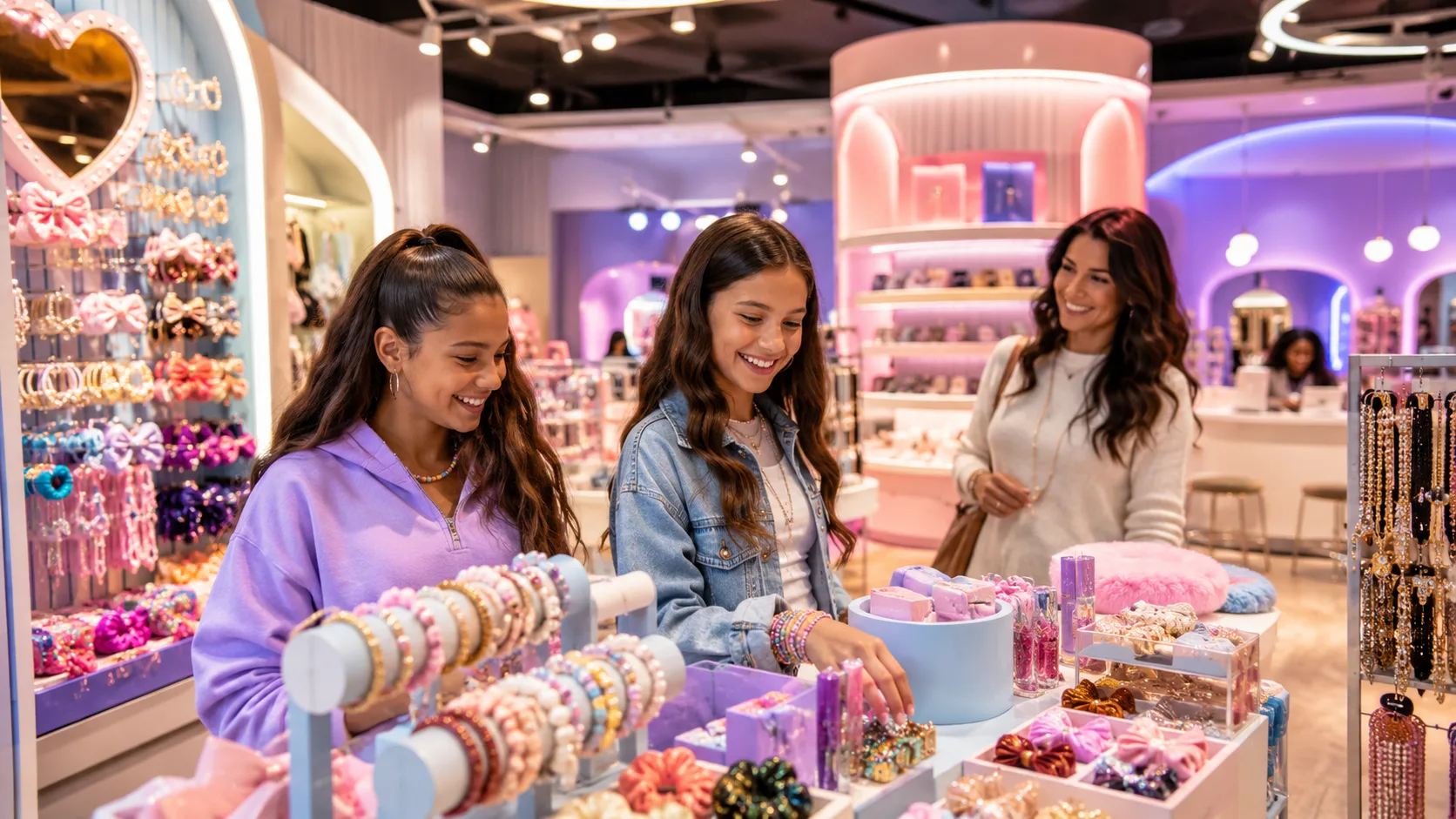
Claire’s Gen Alpha rebrand is not just a mall comeback story with softer colors, brighter shelves, and a few creator-friendly moments built for social media. It is a signal that legacy retail brands are trying to understand a generation that grew up with YouTube, Roblox, short-form video, ASMR culture, creator recommendations, and shopping habits shaped long before they ever held their own debit card. For years, Claire’s lived in the memory of millennials and older Gen Z as the place for first ear piercings, glittery accessories, charm bracelets, sleepover energy, and a specific kind of mall freedom. Now the brand is trying to rewrite that memory for Gen Alpha, not by copying the past, but by rebuilding the experience around what today’s tweens actually notice, share, touch, film, and talk about. That makes this rebrand bigger than one retailer, because it shows how growth strategy is changing when the next consumer generation expects every store, product, and campaign to feel like both a personal identity signal and a piece of content.
The interesting part is that Claire’s is not trying to become a luxury brand, a beauty giant, or a fully digital marketplace overnight. Instead, it is leaning into the messy middle where physical retail meets digital culture, where a store can still matter if it gives young shoppers something they cannot fully get from a screen. Gen Alpha does not separate online and offline life the same way older shoppers do, so a store visit can become a sensory moment, a social moment, a video idea, and a shopping trip all at once. That shift matters for growth marketers because it changes the role of retail from simple distribution to emotional world-building. When a brand like Claire’s updates its colors, product curation, creator partnerships, and in-store experience around younger tweens, it is basically saying that the next phase of retail growth depends on cultural fluency, not just shelf space.
Why Claire’s Gen Alpha Rebrand Matters Now
The timing behind Claire’s Gen Alpha rebrand matters because many brands are realizing that Gen Alpha is no longer just a future consumer segment waiting quietly in the background. This generation is already influencing household purchases, shaping beauty and accessory trends, changing what counts as aspirational, and forcing retailers to rethink how fast young tastes now evolve. A tween today might discover a product through a creator, compare aesthetics on social platforms, see a trend inside a game environment, and then ask for the same vibe in a physical store days later. That means traditional youth marketing cycles feel too slow, especially for brands that built their playbook around seasonal campaigns and predictable school-year shopping moments. Claire’s rebrand enters this pressure point with a clear message: if a legacy brand wants relevance, it has to move at the speed of culture without losing the emotional reason people cared about it in the first place.
For Growth Vortixel readers, the key lesson is that growth is no longer just about acquisition funnels, paid ads, or discount-led conversion. Those tools still matter, but they become weaker when the brand itself does not feel culturally alive. Claire’s had a long-standing advantage because it already owned a specific ritual in young shoppers’ lives, especially around self-expression, small accessories, first beauty experiments, and milestone experiences like ear piercing. The challenge was that nostalgia alone cannot carry a brand when its next audience has different habits, references, and expectations. By aiming at Gen Alpha with a fresh identity, Claire’s is trying to turn heritage into a launchpad instead of a museum display.
From Mall Nostalgia to Content-Native Retail
The old mall model was built around foot traffic, impulse buying, and the social energy of walking through stores with friends after school or on weekends. That model has not disappeared, but it has been remixed by a generation that treats every environment as a possible backdrop for content. A store that looks flat, generic, or overly transactional has less power with young shoppers who are used to algorithmic discovery and highly visual product storytelling. Claire’s appears to understand that the store cannot simply be a place where accessories sit on hooks waiting to be purchased. It has to become a playful environment where texture, sound, color, mirrors, product displays, and creator-style moments make the visit feel worth sharing.
This is where the rebrand becomes a useful case study for any brand trying to grow with younger audiences. Content-native retail does not mean every shelf has to scream for attention or every campaign has to chase the latest meme. It means the brand understands that discovery, desire, and purchase are now connected through moments that feel visually and emotionally repeatable. A young shopper might not describe it in marketing language, but they know when a store gives them a vibe they want to capture. Claire’s can use that behavior as a growth engine because every filmed moment, shared haul, creator tie-in, and peer recommendation can extend the store beyond its physical walls.
The Power of Sensory Branding for Gen Alpha
One of the smartest parts of Claire’s new direction is the focus on sensory retail, because Gen Alpha’s media habits are deeply tied to sound, texture, movement, and close-up visual satisfaction. ASMR videos, tactile toys, slime content, collectible unboxings, skincare textures, mini accessories, and satisfying product demos have trained young audiences to respond to experiences that feel immersive even through a screen. That gives a physical retailer a surprising advantage if it knows how to translate those digital behaviors into store design. Claire’s can create a reason to visit by offering products and environments that are fun to touch, hear, collect, arrange, film, and personalize. In other words, sensory branding turns the store from a basic sales channel into a stage for participation.
This matters because many brands still think Gen Alpha strategy starts and ends with social media placement. The deeper opportunity is to design products and experiences that naturally produce social behavior without feeling forced. If a bracelet display, charm station, plush wall, ear-piercing moment, or beauty accessory setup gives shoppers something to do, the content becomes an outcome of the experience rather than an artificial marketing request. That is why sensory branding can support both brand love and conversion. It also creates repeat visits, because young shoppers return not only for products, but for the feeling of entering a space that understands their world.
Why Gen Alpha Changes the Growth Playbook
Gen Alpha is growing up in a world where identity formation happens earlier, faster, and more publicly than before. They are exposed to style references, beauty routines, gaming avatars, creator aesthetics, and trend cycles from a very young age, often through platforms that reward speed and visual confidence. For brands, this creates a delicate challenge because the audience wants self-expression, but they are still young and should not be pushed into adult-coded consumption too aggressively. Claire’s has an opening here because its brand world can celebrate play, creativity, and experimentation without turning every product into a mini version of grown-up beauty culture. That balance is important, because the winning Gen Alpha brands will likely be the ones that offer expression without stripping away the joy of being young.
Growth teams should pay attention to this balance because it affects messaging, product development, and community strategy. A brand cannot simply “age down” adult trends and expect trust from parents or emotional loyalty from young shoppers. It also cannot speak to Gen Alpha like little kids if the audience already sees itself as highly informed, trend-aware, and digitally fluent. Claire’s rebrand works as a signal because it appears to be moving toward an older tween mindset while still holding onto playful girlhood as the core emotional territory. That is a sharper position than trying to be everything for every young consumer at once.
Creator Culture Is the New Store Window
For decades, retail brands used windows, catalogs, mall placement, and seasonal displays to tell shoppers what was new. Today, creator culture functions as the new store window, especially for younger audiences who trust personality-driven discovery more than polished brand claims. Gen Alpha often encounters products through creators, friends, gaming spaces, short videos, and trend loops before they ever see the official brand campaign. That changes the role of marketing from broadcasting a message to building an ecosystem where the right people, products, and moments can circulate naturally. Claire’s can benefit from creator partnerships because accessories, beauty-adjacent items, collectibles, and sensory products are highly demonstrable, which makes them easy to show, style, unbox, and remix.
The lesson for growth marketers is that creators should not be treated like rented ad space. They are cultural translators who can show how a product fits into real routines, jokes, aesthetics, and peer conversations. A creator-led Claire’s moment can make the brand feel current in a way that a standard display ad never could, because young audiences are not only watching the product, they are watching how someone they recognize performs identity through it. This is why creator strategy needs product depth behind it. If the product experience disappoints, creator hype fades quickly, but if the store and merchandise support the promise, creator culture can become a durable growth loop.
What Legacy Brands Can Learn From Claire’s
Legacy brands often have one major advantage and one major problem. The advantage is memory, because people already know the name, recognize the category, and may have emotional associations attached to the brand. The problem is that memory can become a trap if the company keeps serving the audience that remembers it instead of the audience it needs next. Claire’s has decades of brand recognition, but Gen Alpha does not automatically care about a store because their older siblings, parents, or millennial shoppers once did. The rebrand suggests that legacy value only matters when it is translated into a new cultural language.
That translation process is where many turnarounds either become interesting or fall apart. Changing a logo, adjusting a color palette, and launching a campaign are surface moves if they do not connect to product, experience, and audience behavior. A stronger rebrand asks what emotional job the brand should perform now. For Claire’s, that job seems to be helping young shoppers explore identity through accessories, sensory play, beauty-adjacent discovery, and social retail moments that feel safe, fun, and shareable. For other brands, the same principle applies even if the category is completely different: the past gives you recognition, but the future requires relevance.
The Business Impact Behind the Rebrand
Behind the playful look of Claire’s Gen Alpha rebrand, there is a serious business question about how physical retailers can grow after years of pressure from e-commerce, changing mall traffic, inflation-sensitive shoppers, and faster trend cycles. A retailer with hundreds of stores cannot survive on nostalgia if those stores do not feel useful to the next generation. At the same time, going fully digital would ignore the unique strength Claire’s still has: a physical space where young shoppers can browse, experiment, get pierced, touch products, and create small social rituals. The rebrand is therefore not just an aesthetic reset. It is a bet that physical retail can grow when it becomes experiential enough to compete with the internet instead of pretending the internet is not shaping the customer.
This business impact reaches beyond Claire’s because many companies are now trying to solve the same problem in different categories. Beauty retailers are building discovery zones, sports brands are turning stores into community hubs, toy companies are creating collectible ecosystems, and fashion brands are making pop-ups that feel more like content sets than traditional shops. The common thread is that brands are trying to increase engagement density per visit. They want each visit to produce more browsing, more emotional connection, more content, more repeat interest, and more reasons to talk about the brand afterward. Claire’s rebrand fits that larger retail growth shift because it treats experience as a measurable part of demand generation.
How Color and Design Shape Brand Perception
Color may look like a simple design choice, but it often carries the emotional weight of a rebrand. Claire’s has long been associated with loud, bright, playful visual cues that matched its old mall-era personality. A softer, more modern palette can signal that the brand is listening to the aesthetic preferences of a generation raised on curated feeds, pastel gaming worlds, beauty packaging, bedroom decor trends, and creator-led visual language. That does not mean every Gen Alpha brand has to become soft, minimal, or pastel. It means the design system has to feel like it belongs inside the visual universe where the audience already spends attention.
For growth teams, visual identity should be treated as a conversion signal and not only a brand department decision. The right colors, typography, product photography, store visuals, and digital assets can reduce friction because shoppers immediately understand the mood of the brand. A dated visual system can make a company feel out of touch before a shopper even evaluates the product. A relevant visual system can make the same product feel newly desirable, especially when the design makes it easier for customers to imagine sharing it. In Claire’s case, the design refresh matters because it helps reposition the brand from “place adults remember” to “place young shoppers can claim now.”
Retail Growth Now Depends on Community Loops
The most powerful retail brands today are not only selling products; they are building loops of community behavior. A shopper discovers a product, visits the store, creates or shares a moment, influences a friend, sees the brand again through a creator, and returns for another small identity upgrade. This loop can be especially strong for accessories because the products are affordable, expressive, collectible, and easy to combine with personal style. Claire’s has always sold items that invite repeat purchases, but the rebrand can make those purchases feel more connected to a larger social world. That connection is where growth becomes less dependent on one-off promotions and more dependent on habit.
Community loops are also important because Gen Alpha’s shopping influence is not isolated. Parents, older siblings, friends, creators, and online communities all shape what feels acceptable, exciting, or cringe. A brand that understands this network can create messaging that works across multiple audiences without flattening the experience. Claire’s has to appeal to young shoppers who want autonomy, while also staying parent-friendly enough to protect trust. That is not easy, but it is exactly the kind of multi-layered growth challenge more youth-focused brands will face over the next decade.
Practical Insight for Growth Marketers
The first practical insight is that youth strategy should begin with behavior, not demographics. Saying “Gen Alpha” is not enough, because the real growth opportunity comes from understanding how young shoppers discover trends, use creators, move between games and social platforms, ask parents for purchases, and turn physical products into identity signals. Claire’s rebrand shows that a brand can become more relevant by designing around these behaviors instead of simply updating slogans. The second insight is that physical touchpoints still matter when they offer something digital channels cannot fully replace. A store that gives customers sensory play, social energy, and content-friendly moments can become more valuable than a store that only holds inventory.
The third insight is that brands should build product ecosystems rather than isolated launches. Accessories, sensory products, collectibles, and beauty-adjacent items can work together when they support the same emotional story. The fourth insight is that creator partnerships need to be connected to real customer experience, because young audiences quickly sense when a collaboration is only a paid placement with no authentic product logic behind it. The fifth insight is that rebrands should have operational depth, meaning the new identity must show up in stores, product timelines, social content, campaign concepts, and community feedback. For more analysis on scaling brand demand, Growth Vortixel’s growth marketing coverage can connect this kind of retail shift to broader acquisition and retention strategy.
Why This Is Bigger Than Claire’s
Claire’s is useful as a case study because it sits at the intersection of several trends that are reshaping business growth. There is the comeback of experiential retail, the rise of Gen Alpha as a visible consumer force, the expansion of creator-led discovery, the importance of sensory branding, and the pressure on legacy companies to modernize without losing their core identity. These trends are not limited to jewelry or accessories. They affect beauty, gaming, fashion, toys, education, entertainment, food, fitness, and nearly every brand trying to reach young consumers before loyalty patterns fully form. The companies that understand this shift early will have a stronger chance of becoming part of Gen Alpha’s everyday cultural vocabulary.
The broader lesson is that modern growth is becoming more emotional, more visual, and more participatory. Brands cannot rely only on product features when young audiences are choosing based on how a brand makes them feel, how it looks in their world, and whether it gives them something to share or personalize. At the same time, brands cannot fake cultural relevance with shallow trend-chasing, because digitally fluent audiences recognize when a company is trying too hard. Claire’s has a chance because its original brand promise was already close to self-expression, play, and personal milestones. The rebrand simply updates that promise for a generation whose mall is partly physical, partly digital, and always social.
The Risk of Getting Gen Alpha Wrong
There is also real risk in any Gen Alpha strategy, especially for brands dealing with young audiences. Moving too fast can make a brand feel exploitative, while moving too slowly can make it irrelevant. Overusing creator culture can look fake, but ignoring creators can leave a brand invisible in the spaces where young consumers actually discover trends. Making products feel older and more aspirational can drive short-term attention, but it can also create parent concerns or dilute the innocence that made the brand trusted. Claire’s has to walk this line carefully because its growth opportunity depends on being fun, current, and expressive without losing the softness and accessibility that made it recognizable.
This risk is why the best youth-focused rebrands should listen more than they announce. Brands need feedback loops from young shoppers, parents, store teams, creators, and digital behavior data. They need to test which products drive repeat visits, which store moments spark content creation, which messages feel empowering, and which trends fade too fast to build around. A rebrand is not a single campaign drop, especially when the target audience changes preferences at algorithm speed. It is an ongoing operating system for staying relevant without becoming chaotic.
How Claire’s Can Turn Attention Into Retention
Attention is the first win, but retention is where the real growth story will be decided. Claire’s can generate buzz with a fresh campaign, sensory retail concepts, creator partnerships, and a stronger Gen Alpha identity, but the brand has to turn that attention into repeated behavior. That means the store experience must feel consistently fun, the product mix must refresh quickly enough to match trend cycles, and the brand must give shoppers reasons to come back beyond one viral moment. Loyalty for Gen Alpha may not look like old-school points programs or email coupons. It may look more like collectible drops, creator challenges, personalized styling, birthday rituals, piercing milestones, and in-store moments designed to be revisited with friends.
Retention will also depend on how well Claire’s connects online discovery with offline action. A young shopper might see a product online, ask a parent to visit the store, film a haul, wear the item to school, and then return when a friend wants the same thing. That loop works only if inventory, store design, staff experience, digital content, and brand tone all support the same journey. Growth teams often separate these areas into different departments, but younger consumers experience them as one brand. If Claire’s can make that journey feel smooth and exciting, its rebrand could become more than a seasonal reset.
Conclusion: A New Signal for Youth Retail Growth
Claire’s Gen Alpha rebrand is a clear signal that the next era of youth retail will be built around experience, identity, creator culture, and sensory connection. The brand is not only trying to sell accessories to younger shoppers; it is trying to become a place where Gen Alpha can explore style, play with trends, create shareable moments, and feel seen in a retail environment designed for their habits. That makes the rebrand important for anyone studying growth, because it shows how older brands can use heritage as a foundation while still rebuilding for a new audience. The bigger takeaway is that relevance now comes from understanding how customers live, not just how they buy. If Claire’s can turn this strategy into consistent store energy, stronger product discovery, and repeat community behavior, it may become one of the more interesting examples of how a legacy retailer finds growth by finally speaking the language of the next generation.