
Local SMEs Boom Through Digital Marketing Surge
 Vortixel
8 minutes read
Vortixel
8 minutes read
Introduction
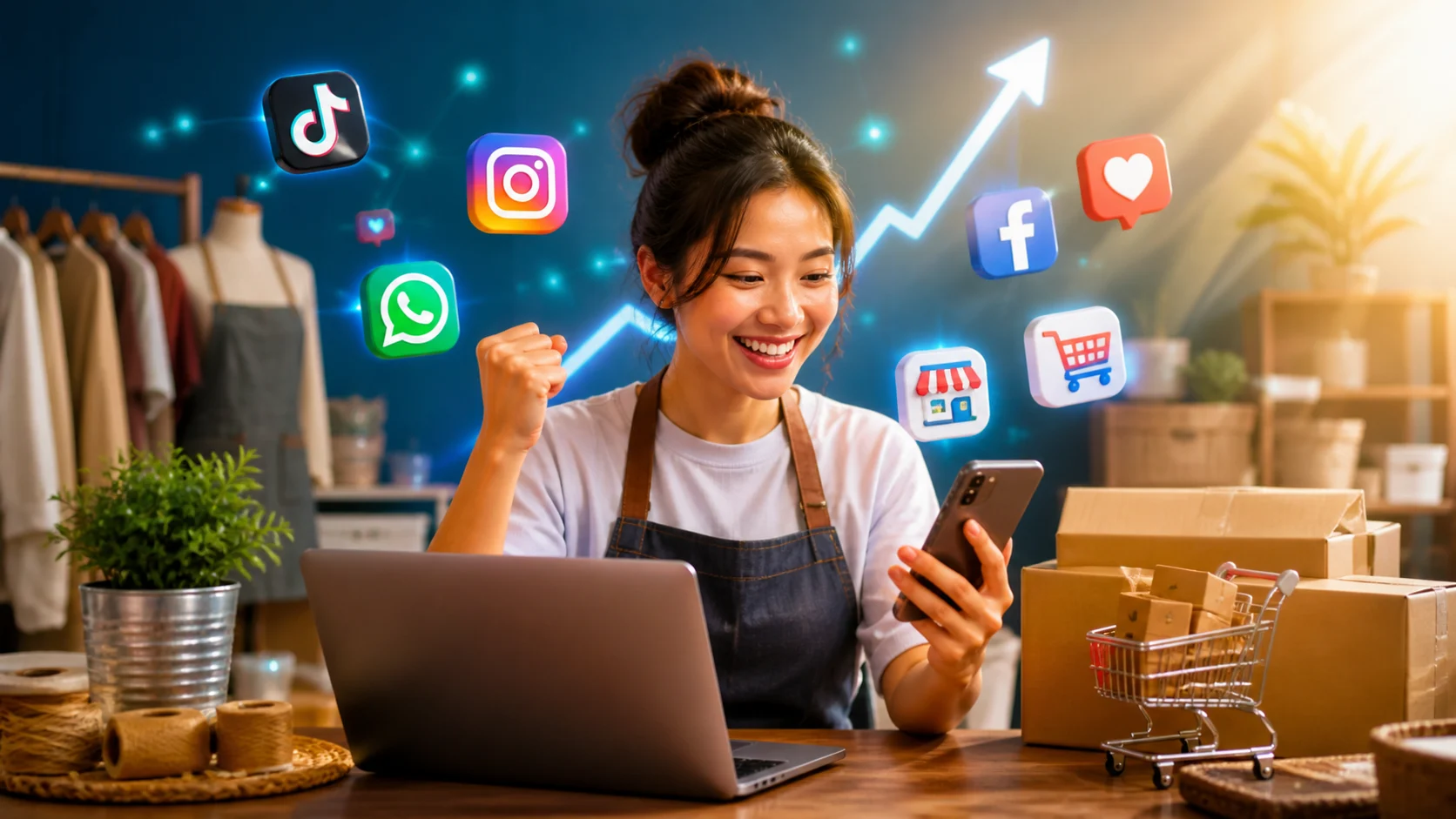
The business map is changing fast, and one of the biggest winners in this new era is the local SME sector. Small and medium enterprises, once limited by neighborhood traffic and word-of-mouth promotion, are now reaching wider audiences through the power of digital marketing. From handmade snack brands to fashion labels, from home-based coffee sellers to local service providers, thousands of businesses are growing faster than ever because they understand one thing: attention lives online. In 2026, this shift is no longer a trend. It is the new standard.
For years, many local SMEs struggled with classic problems. Limited capital, low brand awareness, weak customer retention, and dependence on physical locations slowed their growth. But digital platforms changed the game. Today, a small seller with smart content, strong branding, and a mobile phone can compete with larger companies. Social media, short video platforms, search engines, marketplaces, and messaging apps have become powerful tools that level the playing field.
What makes this story even more interesting is that local SMEs are not just surviving. They are exploding in growth. Many are building loyal communities, scaling revenue, creating jobs, and entering markets they could never reach before. Digital marketing has become more than promotion. It is now the engine behind modern local entrepreneurship.
Why Local SMEs Are Winning in 2026
The biggest reason local SMEs are booming is access. In the past, launching a campaign required a large advertising budget. Today, free or low-cost digital tools allow anyone to build a presence online. Instagram, TikTok, YouTube Shorts, Google Business Profiles, WhatsApp Business, and e-commerce platforms provide affordable channels for exposure. This means a local bakery can gain thousands of followers without opening a second branch.
Another reason is consumer behavior. Modern buyers search online before making decisions. They compare prices, read reviews, watch product videos, and ask questions through chat. If a local SME appears where customers are searching, that business gains an instant advantage. Visibility now matters more than store size.
Trust is also easier to build digitally. Reviews, testimonials, user-generated content, behind-the-scenes videos, and founder stories make brands feel human. Consumers want connection, not just products. Local SMEs often have stronger stories than corporations because they are built by real people with relatable journeys.
Finally, speed matters. A traditional campaign might take weeks. A digital campaign can launch in minutes. Trends move quickly, and SMEs that react fast often win faster than slow-moving big brands.
Social Media Became the New Storefront
Walk through any successful local business story today, and social media is usually part of it. Platforms like TikTok and Instagram are no longer just entertainment apps. They are modern shopping malls powered by algorithms. A strong video can generate sales overnight.
Imagine a small local dessert shop posting a 20-second video showing molten chocolate cake fresh from the oven. If the content hits the right audience, orders can flood in within hours. This kind of organic reach was impossible in older advertising systems.
The visual nature of social media helps SMEs showcase quality, personality, and uniqueness. A clothing brand can show styling ideas. A café can display atmosphere. A skincare seller can explain benefits. A furniture maker can show before-and-after transformations. Every post becomes a mini sales pitch without feeling like an ad.
Consistency matters here. Brands that post regularly, speak in a clear voice, and understand audience trends often grow much faster. In 2026, social presence is no longer optional. It is a core business asset.
Short Video Is the Growth Weapon
One of the most powerful tools for SMEs right now is short-form video. Consumers scroll fast, and brands must earn attention quickly. This is why TikTok, Reels, and Shorts dominate digital marketing strategies.
Short videos work because they combine speed, entertainment, and education. A local food seller can show cooking process clips. A handmade product brand can show packaging moments. A service business can explain quick tips. This format builds curiosity and trust at the same time.
What makes short video even better for SMEs is low production cost. You do not need a film studio. Many viral campaigns are shot using smartphones with natural lighting. Authenticity often performs better than polished corporate content.
This is where Gen Z buying behavior matters. Younger consumers respond to relatable content, humor, transparency, and trend awareness. SMEs that understand internet culture often outperform larger brands trying too hard to look modern.
Search Engines Still Drive High-Intent Buyers
While social media creates awareness, search engines capture buying intent. This is why SEO friendly strategy remains crucial for local SMEs. People searching for “best coffee shop near me,” “custom furniture local,” or “affordable wedding makeup service” are already interested in buying.
Ranking on Google means receiving traffic without paying for every click. A well-optimized website, local listing, blog content, and positive reviews can generate consistent leads every month. This makes SEO one of the smartest long-term investments for SMEs.
Local SEO is especially powerful. Google Maps results often influence real-world purchases. If your business appears with strong ratings, updated photos, and complete information, customers trust you faster.
Many SMEs ignore SEO because it seems technical. But in 2026, simple improvements can create major results. Fast websites, clear service pages, location keywords, FAQs, and regular blog content help businesses compete online.
WhatsApp Commerce Is Growing Fast
Another reason local SMEs are booming is the rise of chat-based commerce. Many consumers prefer asking questions directly before purchasing. They want fast replies, personalized offers, and easy ordering.
WhatsApp Business has become a key growth tool in many markets. Businesses use catalogs, automated greetings, broadcast updates, and customer service chat flows. This turns messaging into a conversion machine.
For local SMEs, this feels natural. Many small business owners already communicate personally with customers. Digital tools simply scale that relationship. Instead of losing the personal touch, chat commerce strengthens it.
A local cake business can receive custom orders instantly. A clothing seller can recommend sizes in chat. A repair service can confirm bookings within minutes. Fast communication builds confidence and increases close rates.
Branding Is No Longer Just for Big Companies
One major shift in 2026 is that branding now matters deeply for SMEs. Years ago, small businesses focused only on selling. Now they understand identity drives loyalty.
A logo alone is not branding. Branding is tone, story, visuals, customer experience, and perception. Why should someone choose your local coffee brand over ten others nearby? The answer often lives in branding.
Some SMEs win because they feel premium. Others win because they feel playful, affordable, eco-conscious, or community-driven. Strong brands become memorable, and memorable brands reduce price sensitivity.
Consumers today often buy from brands that reflect their values. Local businesses can use this to their advantage because they are closer to communities than giant corporations. Authenticity is easier when you actually live the story.
Data Helps Small Businesses Act Big
Modern digital marketing gives SMEs something once reserved for major corporations: data. Business owners can now track clicks, views, conversions, repeat buyers, abandoned carts, and audience behavior in real time.
This means decisions become smarter. Instead of guessing which product is popular, they can measure it. Instead of wasting money on weak ads, they can optimize campaigns. Instead of posting random content, they can double down on what works.
Even simple metrics matter. Which reel generated orders? Which product page converts best? Which time gets highest engagement? These insights create faster growth with less waste.
In 2026, data literacy is becoming a superpower for SMEs. The businesses that learn numbers often outperform those relying only on instinct.
Challenges Still Exist
Despite the boom, success is not automatic. Many SMEs enter digital marketing without strategy. They post inconsistently, copy competitors, ignore branding, or expect instant results. Growth requires patience and systems.
Competition is also rising. As more businesses go online, standing out becomes harder. Cheap products alone are no longer enough. Businesses need trust, content quality, customer experience, and unique positioning.
Another challenge is platform dependency. If a brand relies only on one social app, algorithm changes can hurt growth overnight. Smart SMEs diversify traffic sources across social, SEO, email, marketplace, and messaging channels.
Operational readiness matters too. Viral demand can destroy businesses if stock, shipping, or customer support fail. Marketing creates attention, but operations must fulfill promises.
What Winning SMEs Are Doing Differently
The fastest-growing local SMEs in 2026 usually share similar habits:
1. They Build Content Daily
They treat content as business infrastructure, not side work. Posts educate, entertain, and convert.
2. They Know Their Audience
They understand buyer pain points, language style, and emotional triggers.
3. They Focus on Repeat Customers
Retention often beats endless acquisition. Loyalty programs and follow-up offers matter.
4. They Use Real Stories
Founder journeys, customer reviews, and behind-the-scenes moments build trust.
5. They Move Fast
They test trends, adapt offers, and launch campaigns quickly.
Future of SME Growth Looks Massive
The next phase of local SME expansion will likely be powered by AI tools, smarter automation, and hyper-personalized marketing. Businesses will use AI for product descriptions, customer service replies, ad testing, and demand forecasting.
Voice search may also grow, helping local discovery. Social commerce will become more seamless. Live shopping could rise again with better technology. Community-led brands will likely dominate niche categories.
Most importantly, the line between local and global is fading. A great local brand can now sell nationwide or even internationally if the story and strategy are strong enough.
That means the opportunity is bigger than ever. Geography is no longer the biggest limit. Execution is.
Final Thoughts
The headline says local SMEs are booming through digital marketing, and it is true. But the deeper story is about empowerment. Technology has handed small businesses tools once controlled by large corporations. Reach, branding, analytics, and scalable promotion are now accessible to anyone willing to learn.
This creates a rare moment in business history. A home kitchen brand can become a national snack company. A local tailor can build an online fashion label. A neighborhood café can turn into a lifestyle brand. The barriers are lower, but the standards are higher.
For local SMEs, 2026 is not the time to wait. It is the time to build. Attention is online, customers are searching, and digital marketing is no longer a bonus skill. It is the growth engine of the modern business era.
The businesses that understand this shift today will become tomorrow’s market leaders.