
Digital Twins Reshape Growth Marketing in 2026
 Vortixel
9 minutes read
Vortixel
9 minutes read
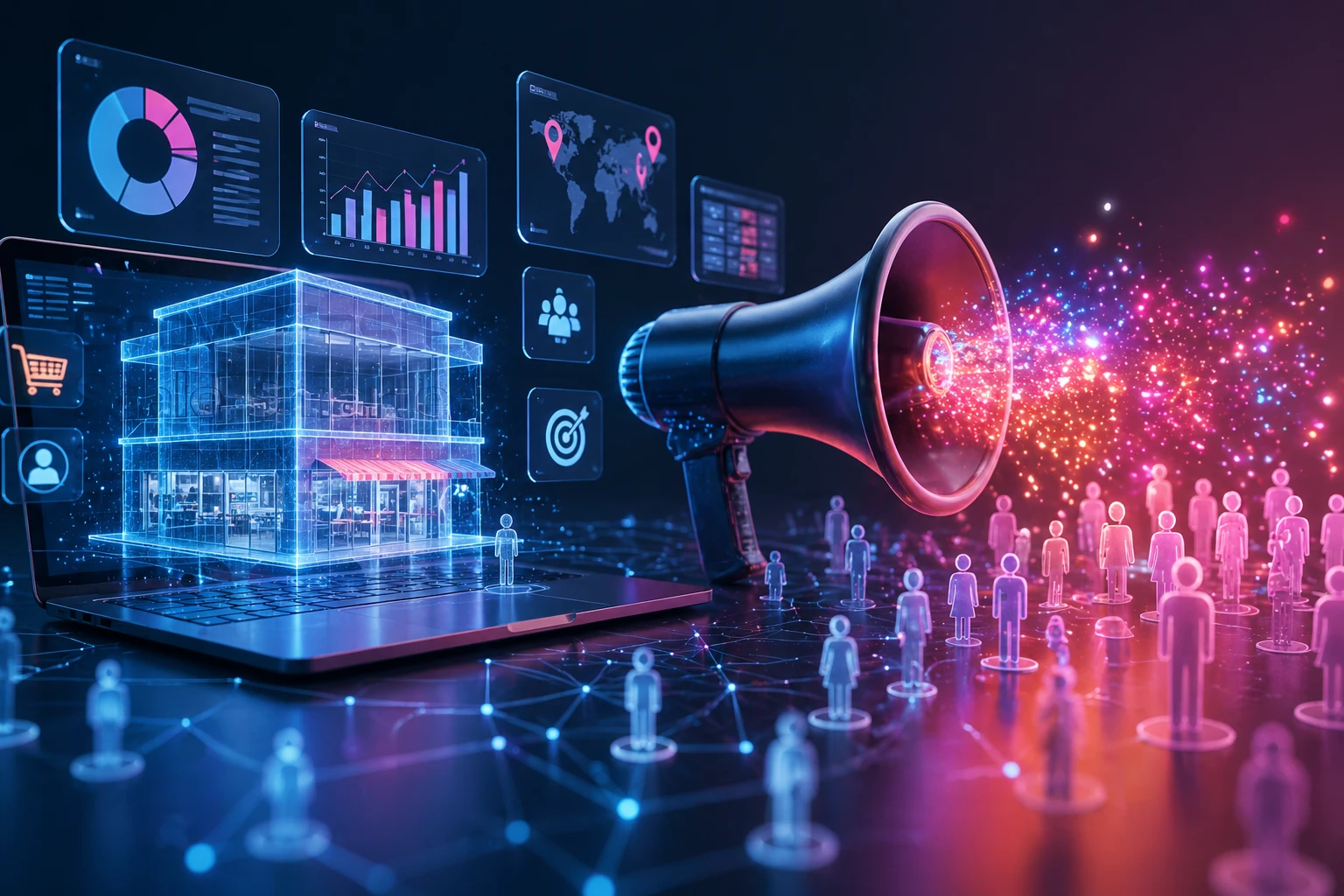
The marketing world moves fast, but 2026 is moving at a completely different speed. Brands are no longer satisfied with traditional campaigns, delayed analytics, and generic audience targeting. They want precision, real-time decisions, personalized engagement, and scalable systems that actually convert. That demand is exactly why digital twin technology is becoming one of the most talked-about tools in modern business strategy. What started as an industrial innovation for factories and engineering has now entered the world of customer acquisition, brand growth, and performance marketing.
Today, marketers are using digital twins to simulate customers, products, stores, campaigns, and even entire buyer journeys before spending real money. Instead of guessing how a campaign may perform, brands can now test hundreds of scenarios in a virtual environment first. That means lower risk, faster optimization, and stronger returns. In simple terms, digital twins are becoming a new weapon for growth marketing.
This shift matters because the old playbook is getting weaker. Privacy changes reduced tracking signals. Ad costs continue rising. Consumer attention is fragmented across platforms. Search behavior is changing because of AI. Social algorithms evolve weekly. In this chaotic environment, brands need smarter systems, not louder ads. Digital twins help solve that problem by turning data into predictive action.
From e-commerce giants to SaaS startups, companies are now investing in simulation-based marketing strategies. They want to know what happens if they change pricing, redesign landing pages, launch a new offer, alter shipping times, or shift ad budgets across channels. A digital twin can model these variables and reveal likely outcomes before execution. That is a major advantage in a market where every decision affects profit margins.
What Is a Digital Twin in Marketing?
A digital twin is a virtual replica of a real-world system that updates using live or historical data. In manufacturing, that might be a machine or warehouse. In healthcare, it could be a patient model. In marketing, it can represent a customer segment, product ecosystem, store experience, or growth funnel.
Imagine a brand that sells sneakers online. Instead of simply reading analytics dashboards, the company builds a digital twin of its customer journey. The model includes ad clicks, site visits, cart behavior, purchase patterns, return rates, email engagement, and loyalty actions. Now the company can simulate what happens if it increases Instagram spending, changes checkout design, launches limited drops, or shortens delivery times.
That is much more powerful than static reporting. Reports explain what happened. Digital twins help predict what may happen next.
This distinction is changing how modern teams work. Instead of waiting weeks for campaign results, growth teams can run simulations instantly and make faster decisions with more confidence.
Why Digital Twins Matter for Growth Marketing
Growth marketing is not just about getting traffic anymore. It is about building repeatable systems that improve customer acquisition, retention, referral, and lifetime value. That requires constant testing. However, testing in the real market can be expensive and slow.
Here is where digital twin growth marketing becomes valuable.
A brand can test multiple strategies virtually before launching them live. It can compare messaging angles, budget allocations, product bundles, onboarding flows, and channel mixes without wasting spend. This creates a huge competitive edge, especially for startups and performance-focused companies.
Some key benefits include:
Faster Campaign Optimization
Traditional campaigns often need days or weeks of live data before clear conclusions appear. A digital twin can model likely outcomes faster, helping teams adjust sooner.
Better Budget Efficiency
Instead of blindly scaling ad spend, brands can simulate where money performs best across paid search, social media, influencer campaigns, affiliate channels, and email.
Deeper Personalization
Digital twins can model audience behavior in segments or even individual patterns, helping marketers create more relevant offers and messaging.
Reduced Risk
Launching new products or aggressive promotions carries risk. Simulations allow brands to stress-test plans before rollout.
Smarter Forecasting
Growth teams can estimate revenue, churn, CAC, ROAS, and retention under different scenarios.
That combination is why digital twins are no longer niche technology. They are becoming mainstream strategy.
How Brands Use Digital Twins Right Now
Many businesses are already experimenting with digital twin systems, even if they do not always use the term publicly.
E-Commerce Brands
Online retailers use digital twins to model demand spikes, abandoned cart behavior, pricing elasticity, and seasonal promotions. They can predict how shoppers react to bundles, urgency tactics, or shipping offers.
SaaS Companies
Subscription brands use digital twins to simulate onboarding experiences, free trial conversion paths, churn signals, and upsell timing. This helps improve recurring revenue.
Retail Chains
Physical retailers combine foot traffic data, weather patterns, inventory movement, and promotions into store twins. They can optimize staffing, product placement, and regional campaigns.
Consumer Brands
Brands launching new products use twins to test market reception, packaging appeal, channel strategy, and promotional timing.
Agencies
Modern agencies increasingly use predictive systems to help clients make data-backed growth decisions faster.
Why Gen Z Consumers Make This More Important
Gen Z consumers expect fast experiences, relevant messaging, and authentic brands. They scroll quickly, compare instantly, and ignore anything generic. That means outdated broad targeting is losing power.
Digital twins help marketers understand real behavior patterns rather than assumptions. Instead of saying “young audiences like short videos,” brands can model exactly which creative formats, tones, offers, and channels move action.
This matters because Gen Z is shaping trends in fashion, gaming, tech, finance, entertainment, and creator commerce. If brands want attention from younger audiences, they need speed plus relevance. Digital twins support both.
The Rise of AI + Digital Twins
The biggest reason digital twins are accelerating in 2026 is artificial intelligence. AI makes these systems smarter, faster, and easier to scale.
Machine learning can detect hidden patterns in customer data. Generative AI can create campaign variants for testing. Predictive models can estimate future outcomes. Computer vision can analyze store layouts or product interactions. Natural language tools can interpret sentiment across reviews and social media.
When combined, AI and digital twins become a powerful growth engine.
For example, an apparel brand could use AI to generate five new campaign concepts. Then a digital twin simulates how each concept may perform across audiences, price points, and channels. The strongest version launches first.
That is a level of strategic speed older teams simply did not have.
Real Examples of What Can Be Simulated
Digital twin marketing is practical, not theoretical. Brands can simulate scenarios such as:
- What happens if ad spend shifts from Meta to YouTube
- Whether free shipping beats discount codes
- How faster checkout impacts conversion rate
- Which email frequency reduces churn
- How influencers affect long-term retention
- What price increase customers tolerate
- Which onboarding steps create activation
- How product reviews change purchase intent
- Whether app notifications drive repeat sales
- What region should receive expansion budget first
Each simulation helps reduce guesswork and sharpen strategy.
Why Traditional Analytics Are Not Enough
Dashboards remain useful, but they are reactive. They tell teams what happened yesterday, last week, or last month. That creates delay.
In a high-speed market, delay costs money.
If ad costs spike today, waiting seven days to respond hurts margins. If a competitor launches a viral product today, waiting for next month’s report loses momentum. If checkout friction appears today, abandoned revenue rises immediately.
Digital twins shift businesses from reactive mode to proactive mode.
That is why more CMOs and founders are paying attention.
Challenges Brands Need to Understand
Despite the hype, digital twins are not magic. They require quality data, clean systems, and strategic thinking.
Bad Data Creates Bad Predictions
If customer data is messy or fragmented, the twin becomes unreliable. Clean infrastructure matters.
Overcomplication Hurts Speed
Some companies build huge models no one uses. Simpler focused twins often create better ROI.
Human Judgment Still Matters
A simulation can suggest options, but leadership still decides brand direction, tone, ethics, and priorities.
Privacy Must Be Respected
Customer modeling should align with regulations and trust expectations. Responsible data use is essential.
Brands that combine smart tech with clear governance will win longer term.
Why Startups Should Care Most
Large enterprises can afford mistakes. Startups usually cannot.
Every ad dollar matters. Every product launch matters. Every hiring decision matters. That makes digital twins especially attractive for startups trying to scale efficiently.
Instead of burning budget on trial-and-error campaigns, startups can test strategies virtually first. They can identify profitable audiences sooner, improve onboarding faster, and reduce churn earlier.
In 2026, lean teams using smart systems often outperform larger teams using outdated processes.
That is the real disruption.
SEO and Content Marketing Will Also Change
Digital twins are not limited to paid media. Content teams can use them too.
A media brand could simulate:
- Which topics drive highest dwell time
- What headline styles improve CTR
- Which publishing schedule boosts traffic
- What content clusters increase authority
- Which funnel articles convert subscribers
- How AI search summaries affect clicks
This gives SEO teams a new layer of forecasting beyond keyword tools alone.
As search engines evolve and AI summaries reshape traffic flows, predictive content strategy becomes more valuable.
What the Future Looks Like
By 2027 and beyond, expect digital twins to become more accessible through SaaS platforms. Smaller brands will not need enterprise budgets to use them. They will subscribe to tools that plug into Shopify, HubSpot, Google Ads, CRMs, and analytics systems.
Marketers may soon open dashboards where they can ask:
- Simulate next quarter revenue if ad spend rises 20%
- Predict churn if pricing changes next month
- Recommend best channel mix for new launch
- Show customer journey friction points now
That future is approaching quickly.
The winners will be brands that adopt early and learn fast.
How Growth Vortixel-Type Agencies Can Benefit
Agencies focused on startup growth, branding, and performance strategy can use digital twins as a premium service layer.
Instead of only running campaigns, they can offer:
- Predictive funnel strategy
- Simulated launch planning
- Budget optimization modeling
- Brand growth scenario mapping
- Multi-channel expansion forecasting
- Customer retention simulations
This moves agencies from vendor status to strategic partner status.
Clients increasingly want outcomes, not just activity reports.
Final Verdict
Digital Twin technology is becoming a serious weapon for growth marketing in 2026. It helps brands move faster, spend smarter, personalize deeper, and forecast more accurately. In a noisy digital economy where every click costs more and attention spans shrink, smarter decisions matter more than bigger budgets.
The old era of guess-first marketing is fading. The next era belongs to simulation-first growth.
Brands that embrace digital twins now can gain a powerful advantage while competitors still rely on delayed dashboards and instinct-based decisions. Whether you run a startup, agency, SaaS company, or e-commerce brand, this trend is worth watching closely.
Because the future of marketing may not begin with a campaign.
It may begin with a simulation.