
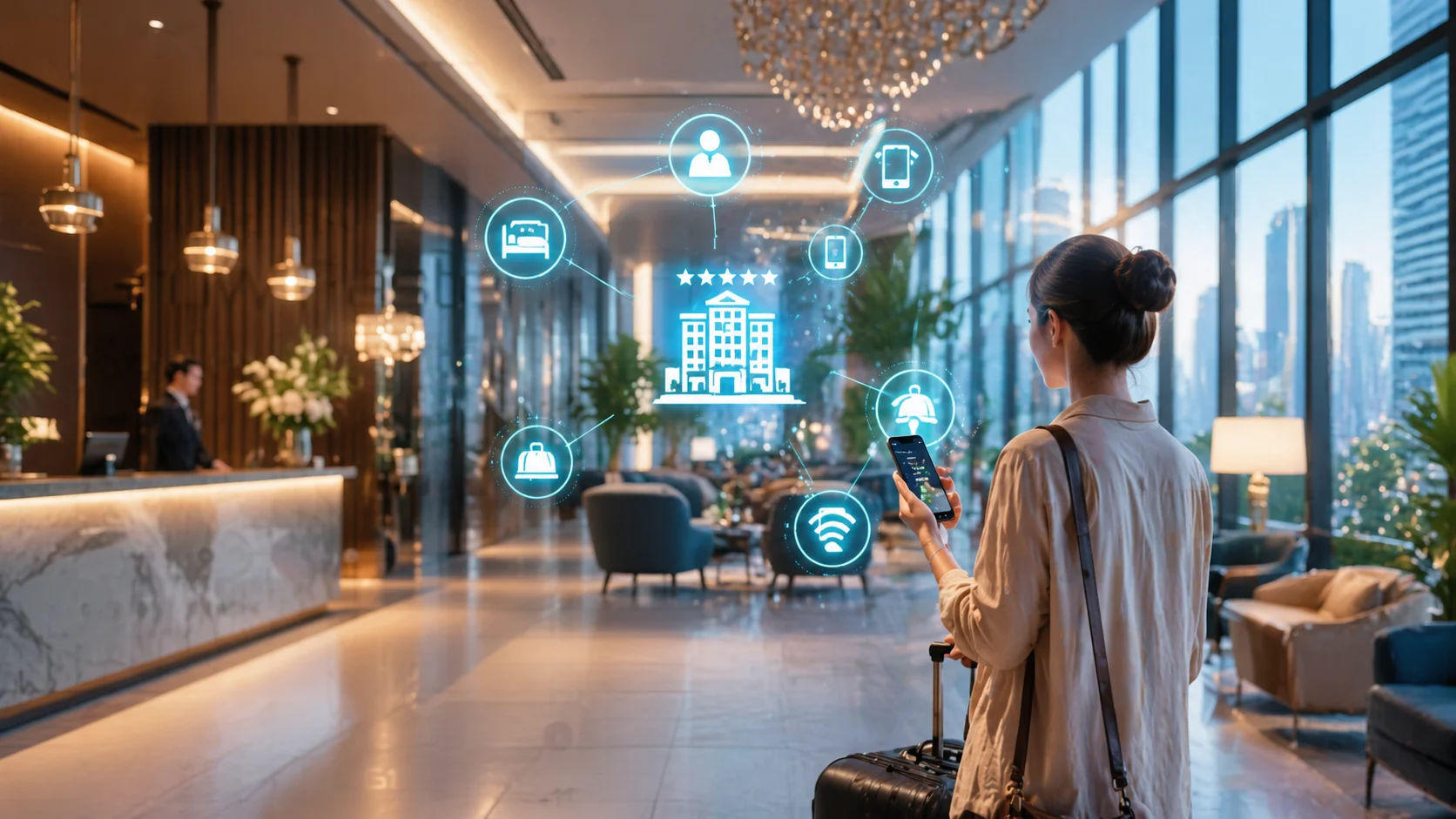
The hospitality industry is entering a fresh era, and digital hotel business growth is becoming one of the hottest stories of 2026. Hotels are no longer competing only through room size, breakfast menus, or prime locations. Today, the real battle happens online, where customer attention is won through speed, convenience, personalization, and smart branding. Travelers now expect mobile booking, instant support, seamless check-in, custom offers, and content that feels relatable. If a hotel brand cannot deliver that experience, guests can switch to another option in seconds.
Across global markets, hotel operators are realizing that digital transformation is no longer optional. It has become the main engine behind revenue growth, stronger occupancy rates, and long-term brand loyalty. From boutique stays to major chains, hospitality businesses are investing in apps, automation, AI-powered customer support, social media storytelling, and data-driven marketing campaigns. This shift is opening new opportunities for entrepreneurs, agencies, consultants, and tech providers who understand where the market is moving next.
What makes 2026 especially interesting is how younger consumers are changing the rules. Gen Z and younger millennials want experiences that feel smooth, visual, flexible, and worth sharing online. They are less loyal to old-school brands and more loyal to convenience, design, community, and authenticity. That means hotels need to think like media brands, e-commerce companies, and lifestyle creators at the same time. It sounds intense, but it is also where the biggest growth opportunities now live.
This article breaks down why the digital hotel business has become a major growth lane in 2026, what trends are driving the industry, how brands are scaling faster, and where smart businesses can win next.
Why Hotels Are Going Digital Faster Than Ever
For years, many hotels relied heavily on travel agents, booking platforms, and walk-in customers. That model still matters, but it no longer guarantees strong results. Rising competition, changing traveler behavior, and thinner margins have forced operators to rethink everything. Going digital is now about survival as much as expansion.
Direct booking channels are becoming more valuable because they reduce dependency on third-party platforms that charge commissions. A hotel that controls its own website traffic, email list, app users, and repeat customer base has more pricing flexibility and stronger profit margins. This is why many brands are rebuilding websites, improving SEO, and creating smarter booking funnels.
Another major factor is labor efficiency. Hotels face staffing challenges in many markets, and digital systems help reduce pressure. Automated check-ins, chat support, room service ordering apps, and smart property management tools can handle repetitive tasks while staff focus on hospitality quality. That balance between tech and human service is becoming the winning formula.
Then there is customer expectation. Guests compare hotel experiences with ride-sharing apps, food delivery apps, and online shopping platforms. They want speed, transparency, and control. If a hotel process feels outdated, the brand instantly looks behind the times.
The Rise of Digital Hotel Branding
In 2026, a hotel is no longer just a place to sleep. It is a brand experience. This is why digital hotel branding matters more than ever. Travelers often discover hotels first through Instagram reels, TikTok clips, Google search results, YouTube travel vlogs, and creator recommendations.
Strong branding now includes visual consistency, lifestyle positioning, community tone, and storytelling. A boutique hotel near the beach may market itself as a slow-living escape for remote workers. A city hotel may position itself as the ultimate productivity base for business travelers. A mountain resort may focus on wellness and digital detox.
These stories matter because consumers do not just buy rooms anymore. They buy identity, mood, convenience, and status. The brands winning in 2026 understand how to communicate that clearly.
Hotels are also investing in user-generated content. Real guest photos and honest reviews often outperform expensive ad campaigns because they feel authentic. Smart brands encourage guests to share experiences online through photogenic spaces, branded moments, and reward programs.
AI Is Changing Hotel Growth Strategy
Artificial intelligence is no longer a futuristic concept in hospitality. It is already shaping how hotels attract, convert, and retain customers. AI tools help with pricing, personalization, forecasting, customer service, and content creation.
Dynamic pricing systems analyze demand trends, local events, seasonality, competitor rates, and booking behavior to recommend smarter prices. This allows hotels to maximize revenue without manually adjusting rates every day.
AI chat systems now answer booking questions 24/7, recommend room upgrades, suggest local activities, and resolve common issues instantly. Guests appreciate quick replies, while businesses save time and staffing costs.
Marketing teams also use AI to generate landing pages, email campaigns, audience insights, and ad testing ideas. Instead of slow trial-and-error campaigns, hotels can move faster and optimize in real time.
Still, the smartest operators know AI should support hospitality, not replace it. Guests still remember warm service, problem-solving staff, and emotional connection. Technology creates efficiency, but people create loyalty.
SEO Becomes a Revenue Channel
One of the most underrated growth moves for hospitality brands in 2026 is search engine optimization. Hotel SEO strategy is no longer just about ranking for generic keywords like “best hotel in Bangkok” or “cheap hotel in Bali.” It now includes intent-driven content that captures travelers at every stage of the journey.
For example, travelers search for:
- Best hotels for remote work in Singapore
- Family-friendly hotels near airport
- Romantic staycation deals this weekend
- Hotels with rooftop pool in Kuala Lumpur
- Eco-friendly hotels for digital nomads
Hotels that create pages and content around these searches can capture high-intent traffic without paying for every click. This becomes powerful because organic traffic compounds over time.
Content strategies now include neighborhood guides, local food recommendations, business travel tips, event calendars, seasonal offers, and experience-focused landing pages. A hotel blog done right can become a real booking engine.
Technical SEO also matters. Fast mobile pages, clean site structure, secure payments, schema markup, and optimized images all influence visibility and conversions.
Social Media Drives Booking Decisions
Social media used to be a branding bonus. In 2026, it directly influences revenue. Many younger travelers decide where to stay based on how the property looks online and how current the content feels.
Hotels using short-form video well are seeing strong engagement. Quick room tours, sunset balcony views, behind-the-scenes kitchen content, local culture moments, and staff personality clips often outperform polished corporate ads.
This works because audiences want real vibes, not fake perfection. A 15-second authentic video can sell a room better than a glossy brochure.
Influencer partnerships are evolving too. Instead of only paying mega creators, hotels now work with niche creators focused on wellness travel, digital nomad life, luxury on a budget, solo female travel, or family travel hacks. These creators often bring higher trust and better conversion.
Community management also matters. Fast replies to comments, helpful responses to questions, and visible engagement create confidence before a booking even happens.
The Staycation Economy Is Still Growing
Many experts expected staycations to fade, but in 2026 they remain strong. Rising international travel costs, flexible work schedules, and the desire for short escapes keep local hotel demand healthy.
Urban hotels are creating weekend packages for couples, productivity stays for remote workers, wellness resets, and birthday experiences. Resorts are targeting nearby residents with one-night premium packages instead of only long vacations.
This creates year-round demand and lowers dependence on international tourism cycles.
Digital marketing plays a huge role here. Geo-targeted ads, local influencer campaigns, limited-time offers, and last-minute mobile deals help hotels fill rooms efficiently.
New Revenue Streams Beyond Rooms
Modern hotels are learning that room bookings should not be the only income source. Digital growth in 2026 means monetizing multiple touchpoints.
Examples include:
- Coworking day passes
- Paid wellness classes
- Rooftop dining reservations
- Event hosting packages
- Subscription memberships
- Branded merchandise
- Curated city tours
- Pet-friendly premium add-ons
- Premium Wi-Fi or workspace upgrades
This matters because customer acquisition costs are rising. Extracting more lifetime value from each guest becomes smarter than chasing endless new customers.
Hotels that think like lifestyle ecosystems rather than room sellers are building stronger economics.
Why Young Entrepreneurs Are Entering Hospitality Tech
The rise of digital hotel growth is not only helping hotel owners. It is creating new markets for startups and freelancers.
Young founders are building tools for:
- AI concierge systems
- Reputation management dashboards
- Smart pricing software
- Booking funnel optimization
- Creator partnership platforms
- Hotel CRM automation
- Guest loyalty apps
- Hospitality analytics tools
Agencies are also winning by offering branding, content production, paid ads, SEO, and website redesign for hotels that need help modernizing.
This makes hospitality one of the more underrated digital business spaces in 2026.
Challenges the Industry Still Faces
Even with the growth story, not everything is smooth. Hotels still deal with operational complexity, rising wages, changing regulations, and inconsistent customer expectations.
Some brands overinvest in tech without fixing core service quality. Others chase trends without understanding audience fit. A luxury property using chaotic meme marketing may feel off-brand, while a youth hostel acting too corporate may lose personality.
There is also growing privacy concern around data usage. Personalization works best when customers trust the brand. Misusing data or over-automating communication can damage that trust quickly.
The real winners balance innovation with clarity, speed with warmth, and efficiency with authenticity.
What Winning Hotel Brands Will Look Like
By the end of 2026, successful hotel brands will likely share common traits:
- Mobile-first booking journeys
- Strong SEO traffic channels
- Fast and useful customer support
- Distinct social media identity
- Personalized offers powered by data
- Smart pricing systems
- Community-driven loyalty strategies
- Multiple revenue streams
- Consistent visual branding
- Human service enhanced by tech
These businesses will not necessarily be the biggest chains. Many smaller agile brands can outperform larger competitors if they move faster and understand modern consumer behavior.
How Businesses Can Enter This Growth Space
If you are a founder, marketer, consultant, or creator, the digital hotel business growth wave offers several entry points.
You can launch a hospitality marketing agency focused on independent hotels. You can build software tools solving specific pain points. You can create media brands around travel audiences and partner with hotels. You can consult on direct booking strategy. You can even acquire underperforming boutique properties and reposition them digitally.
The key is specialization. Hotels do not need generic help anymore. They need measurable growth.
Final Thoughts
The story of 2026 is clear: digital hotel business growth is no longer a niche trend. It is one of the strongest opportunities in modern hospitality. Hotels that embrace technology, branding, data, and creator-led marketing are building stronger margins, deeper loyalty, and faster expansion.
Consumers now expect frictionless experiences, authentic storytelling, and value that feels personalized. Brands that meet those expectations will grow. Those that stay stuck in old systems may still survive, but they will move slower in a market that rewards speed.
For marketers and entrepreneurs, this space is full of upside. Hospitality is being rebuilt through digital thinking, and the next big winners may not come from traditional hotel backgrounds at all. They may come from creators, SaaS builders, SEO experts, and growth operators who understand how modern attention turns into modern revenue.
Want more growth insights like this?
Explore more articles on SEO strategy, AI visibility, content performance, and digital growth trends to stay ahead of the next shift in online discovery.