
Gen Z Mall Shopping Is Bringing Retail Back
 Vortixel
14 minutes read
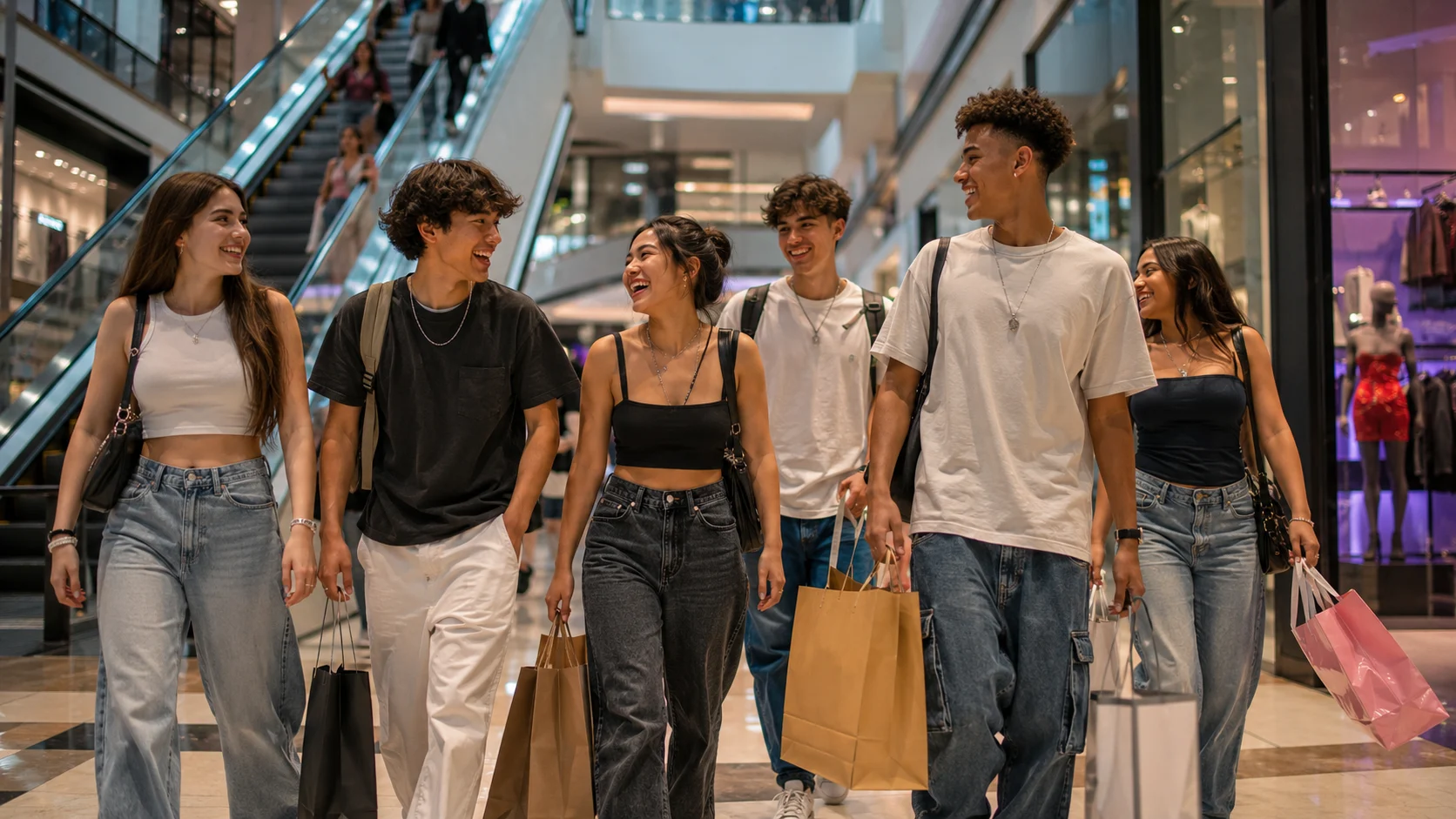
Gen Z mall shopping is suddenly turning one of retail’s most doubted spaces into a cultural comeback story. For years, the mall was treated like a leftover symbol from another era, the kind of place people remembered through old teen movies, food court nostalgia, and weekend hangouts before smartphones took over everything. Then a younger generation that grew up online started doing something unexpected: showing up in person, walking through stores, trying things on, filming the vibe, meeting friends, and turning the mall back into a social stage. This comeback is not just about buying sneakers, lip gloss, denim, bubble tea, or phone cases. It is about how Gen Z is reshaping the meaning of retail by making physical space feel useful, emotional, shareable, and alive again.
The bigger story is not that e-commerce is disappearing, because it definitely is not. The real shift is that digital shopping no longer feels complete on its own for many young consumers. Gen Z can discover a product on TikTok, compare it on Google, check reviews on Reddit, save it on Pinterest, and still want to touch it before buying. That behavior creates a powerful bridge between online influence and offline experience. For a growth-focused brand, that bridge is where the most interesting opportunity now lives.
Why Gen Z Mall Shopping Feels Fresh Again
The return of the mall starts with a simple emotional truth: Gen Z is tired of everything being reduced to a screen. This generation may be digitally fluent, but that does not mean it wants every experience to be flat, private, and algorithmic. The mall gives young shoppers a place to be seen, to browse without pressure, to move with friends, and to turn ordinary errands into something that feels like a mini event. That matters because modern consumers are not only buying products; they are buying moments, identity, and social proof. In that sense, Gen Z mall shopping is less of a throwback and more of a remix.
What makes this mall revival different from the old mall era is the role of online culture. In the past, people went to malls because they needed access to stores, entertainment, and food in one place. Now, young shoppers already have access to almost everything online, so the mall has to offer something extra. That extra value comes from atmosphere, discovery, content potential, and the feeling of being part of a real-world scene. A store display can become a photo backdrop, a fitting room can become a styling moment, and a casual shopping trip can turn into a short-form video. The mall is not competing with the internet anymore; it is becoming one of the internet’s most photogenic physical extensions.
This is why brands should not misunderstand the trend as simple nostalgia. Gen Z did not revive malls because they want the exact same experience millennials had in the early 2000s. They are bringing their own habits into the space, from social shopping to instant comparison, from creator-inspired outfits to aesthetic-driven decision-making. They want the freedom to browse without a hard sell, but they also expect stores to feel intentional, updated, and worth leaving the house for. When the mall delivers that mix, it becomes more than a retail center; it becomes a community-powered growth engine.
The Social Vibe Is the Real Product
One reason malls are regaining attention is that they solve a social problem many young people quietly feel. Third places, meaning casual public spaces outside home and school or work, have become harder to find, especially for teens and young adults. Coffee shops can feel expensive, parks depend on weather, and many entertainment options require planning or tickets. The mall offers a flexible middle ground where people can arrive without a strict agenda. That makes it valuable in a culture where spontaneous hangouts are harder to organize than they used to be.
For Gen Z, shopping is often not a solo transaction but a group activity. Friends help each other choose outfits, react to products in real time, and make the experience feel less like consumption and more like participation. This is especially important for categories like fashion, beauty, accessories, tech gadgets, snacks, and lifestyle products. The purchase may be small, but the social interaction around it can be huge. That is why Gen Z mall shopping has become such a useful keyword for understanding where retail energy is moving.
The social layer also changes how brands should think about store design. A store is no longer just a place to stock inventory and process payments. It has to work as a discovery zone, a content backdrop, a testing lab, and a trust-building space all at once. The brands that win inside malls are usually the ones that make browsing feel natural and memorable. If the store gives shoppers a reason to linger, share, and return, it can generate value even before the checkout moment happens.
How TikTok Changed the Mall Comeback
TikTok did not create the mall, but it helped make it culturally visible again. A mall trip can now become content in seconds, whether someone is filming a haul, ranking stores, sharing a fit check, testing a product, or showing a nostalgic food court run. This kind of content turns the mall into a loop where online inspiration drives offline visits, and offline visits create more online inspiration. The cycle is simple but powerful: see it online, try it in person, post the experience, and influence someone else. That loop is one reason physical retail still matters in a deeply digital economy.
For brands, this means the old separation between e-commerce and store traffic is becoming less useful. A young shopper may discover a product through a creator, visit the mall to try it, buy it in store, and later reorder it through an app. Another shopper may browse in person, leave without buying, and then purchase online after seeing a discount or review. The customer journey is messy, but that messiness is exactly where modern growth happens. Brands that track only one channel may miss the bigger pattern of how influence actually moves.
The mall also gives digital-first brands a chance to prove themselves physically. Online ads can create awareness, but in-person experience can create confidence. When shoppers can feel fabric, test a fragrance, compare shades, or see how a product fits into their real life, trust becomes easier to build. That is especially important for Gen Z, a generation that can be skeptical of overproduced ads and polished brand claims. A strong physical experience can turn curiosity into belief faster than another sponsored post.
Why Legacy Brands Are Getting a Second Look
The mall revival is also giving legacy brands a fresh runway. Brands that once seemed stuck in the past are finding new relevance when they understand how to modernize without erasing their identity. Gen Z often likes heritage, but only when it feels reinterpreted rather than frozen. A classic logo, familiar store, or old-school product can become cool again if it connects with current aesthetics and cultural language. This explains why some mall-based brands are leaning into nostalgia while redesigning their visuals, collaborations, and store experience for younger shoppers.
There is an important lesson here for growth marketers. A brand does not always need to become completely new to become exciting again. Sometimes it needs to make its strongest memory feel relevant to the present. That can mean refreshing packaging, collaborating with creators, redesigning store layouts, improving social content, or bringing back popular products with a modern twist. The key is to respect the emotional equity people already have with the brand while giving them a new reason to talk about it.
This is where malls become valuable storytelling spaces. A brand’s online presence can show a campaign, but a store can let shoppers walk inside that campaign. The lighting, music, product placement, scent, signage, and staff energy all shape the story. When those details are aligned, the store becomes a brand world rather than just a sales floor. For Gen Z, that immersive feeling can be more persuasive than a traditional ad.
The Impact on Retail Growth Strategy
The return of young shoppers to malls does not mean every retailer should rush into physical expansion. It means brands need to think more carefully about what physical presence can do that digital channels cannot. For some companies, that may mean opening smaller experiential stores instead of large traditional locations. For others, it may mean pop-ups, mall partnerships, creator events, or limited-edition drops tied to physical spaces. The smartest retail strategy is not online versus offline, but how each channel makes the other stronger.
Physical retail can also help brands reduce some of the friction that hurts online conversion. Sizing uncertainty, return anxiety, color mismatch, and product quality doubts are common problems in e-commerce. A store visit can answer those questions immediately, especially for fashion, beauty, accessories, home items, and consumer tech. When customers feel more certain, they are more likely to buy and less likely to return products later. That can improve margins in ways that pure digital growth campaigns sometimes struggle to achieve.
Malls also create cross-shopping behavior that is hard to replicate online. A shopper may enter for one store, discover another, grab food, visit a beauty counter, and leave with multiple brand impressions. That foot traffic ecosystem can help emerging brands borrow attention from stronger anchors. It can also help established brands stay visible during moments when consumers are not actively searching for them. In growth terms, the mall can function like a real-world recommendation engine.
What Mall Operators Need to Understand
Mall operators cannot treat the Gen Z comeback as guaranteed. Young shoppers may be curious, but they are also quick to move on when a space feels outdated, unsafe, overpriced, or boring. The strongest malls are shifting away from being simple rows of stores and becoming mixed-use lifestyle destinations. That means better food, better seating, better events, better entertainment, and more reasons to visit even when someone is not planning a big purchase. The future mall has to feel like a place, not just a property.
Experience matters because Gen Z is highly sensitive to atmosphere. Harsh lighting, empty storefronts, weak signage, poor Wi-Fi, and tired food courts can make a mall feel culturally irrelevant. On the other hand, good design, local pop-ups, creator-friendly corners, seasonal installations, gaming zones, beauty activations, and community events can make the same type of space feel alive. The difference is not always about luxury; it is about intention. When the environment feels designed for people instead of only for transactions, young shoppers notice.
Safety and inclusion will also shape the next phase of mall growth. Some malls are introducing stricter rules for unaccompanied teens, especially during busy periods, because operators have to balance youth traffic with comfort for families, workers, and tenants. That creates a delicate challenge because young people are part of the revival, but they also need spaces that feel welcoming and responsibly managed. A mall that excludes too aggressively risks weakening the very energy that made it relevant again. A mall that ignores disorder risks losing trust from shoppers and retailers.
The Brand Lessons Behind the Mall Revival
The biggest brand lesson from this trend is that convenience is no longer enough. Online shopping is convenient, but convenience alone does not create deep attachment. Gen Z wants brands to be accessible, but it also wants them to feel real, expressive, and culturally aware. A physical store can support that by creating a stronger emotional signal than a product page. When a shopper remembers how a store made them feel, the brand becomes easier to recall later.
The second lesson is that discovery still matters. Algorithms are powerful, but they can also make shopping feel repetitive because users often see variations of what they already clicked. Mall browsing introduces a different kind of discovery, one based on movement, surprise, and visual curiosity. A shopper may stumble into a product category they were not searching for and still feel drawn to it. That randomness can create new demand in a way that highly optimized digital funnels sometimes cannot.
The third lesson is that community can be a growth channel. When young shoppers gather around a brand, even casually, they create signals that other people notice. A busy store looks desirable, a line outside a pop-up creates urgency, and a product carried around the mall becomes a walking advertisement. This kind of social proof feels organic because it happens in public. For brands trying to grow without relying only on paid ads, that public visibility can be extremely valuable.
Practical Insights for Brands Targeting Gen Z
Brands that want to benefit from Gen Z mall shopping should start by designing for participation. That means giving shoppers something to do, not just something to buy. A beauty brand might offer shade matching, quick tutorials, or mini product trials. A fashion brand might create styling stations, mirror-friendly spaces, or curated outfit walls. A tech brand might build hands-on demo zones where people can test features without feeling watched or rushed.
- Create shareable spaces: Design corners, displays, and product moments that look good on camera without feeling forced.
- Use stores as content labs: Watch what shoppers touch, film, ask about, and ignore, then feed those insights back into digital campaigns.
- Connect online and offline rewards: Let shoppers discover in store, save online, redeem through apps, and return across channels smoothly.
- Build community events: Host launches, creator meetups, workshops, styling sessions, or limited drops that make visits feel timely.
- Train staff for culture: Make the human experience feel helpful, casual, and informed instead of scripted or pushy.
Another practical move is to treat the mall as a testing ground for brand relevance. If young shoppers walk in, browse, take photos, ask questions, and return with friends, the brand is earning real-world attention. If they pass by without interest, the problem may not be the channel but the experience. Retail teams should study dwell time, repeat visits, conversion, social mentions, and product interaction together. Growth comes from understanding the full behavior, not just counting transactions at the register.
Brands should also build stronger connections between social media and store moments. A creator campaign works better when there is a clear offline action attached to it. That action could be trying a product, visiting a pop-up, joining a launch event, scanning a QR code, or unlocking an in-store exclusive. When the content and the location support each other, the campaign feels more complete. This is especially useful for brands covered in growth marketing, where the goal is not only attention but measurable momentum.
Why This Trend Matters Beyond Retail
The mall comeback says something bigger about consumer culture in 2026. People still want physical experiences, even when digital tools are faster and more personalized. They want places where identity can be explored in public, where friendship can happen casually, and where discovery feels less like scrolling through a feed. This matters for restaurants, entertainment brands, fitness companies, beauty services, gaming events, and even local communities. The mall is just one example of a wider return to experience-led growth.
It also challenges the old idea that younger consumers only care about digital convenience. Gen Z cares about convenience, but it also cares about texture, vibe, and social meaning. A checkout button can complete a purchase, but it cannot replace the feeling of trying something on with friends or discovering a new favorite store by accident. That human layer is becoming more valuable as digital spaces become more crowded. The more online life feels automated, the more real-world experiences can feel premium.
For investors and landlords, the trend suggests that retail space is not dead, but weak retail space is under pressure. The winners will likely be malls that adapt their tenant mix, entertainment strategy, food options, and community programming. The losers may be properties that rely on old traffic patterns without giving young shoppers a reason to stay. This creates a sharper divide between malls that become cultural hubs and malls that remain outdated shopping boxes. Growth will depend on whether operators understand that foot traffic now follows experience, not just store count.
The Future of Malls Is Hybrid
The future of malls will not look exactly like the past. It will be more hybrid, more data-informed, more entertainment-driven, and more connected to online culture. Stores will act like media channels, fulfillment points, community spaces, and product testing labs at the same time. Mall operators will have to think like experience designers, not just real estate managers. Brands will have to make every square foot work harder emotionally and commercially.
In this hybrid future, the best retail experiences will move smoothly between phone and floor. A shopper might see a product online, reserve it, try it in store, post about it, earn loyalty points, and reorder later from home. None of those steps should feel disconnected. The brands that reduce friction across that journey will have a serious advantage. Gen Z does not think in channels, so brands cannot afford to think that way either.
There is also room for smaller and newer brands to use malls differently. Instead of signing huge long-term leases immediately, they can test short-term activations, seasonal stalls, collaborative pop-ups, or shop-in-shop concepts. This gives them access to foot traffic without taking on the full risk of traditional expansion. It also lets them gather direct feedback from customers in a way online surveys rarely capture. For a growing brand, a physical test can reveal what digital dashboards miss.
Conclusion: Gen Z Is Rewriting the Mall Story
Gen Z mall shopping is not just a quirky retail headline; it is a signal that young consumers are redefining what physical commerce is supposed to do. They are not returning to malls because they reject the internet, but because they want the internet to connect with something more tangible. They want discovery they can touch, social moments they can share, and brand experiences that feel worth leaving home for. That creates a major opening for retailers, mall operators, marketers, and founders who understand that growth is now built across both digital influence and real-world emotion. The mall is back in the conversation because Gen Z reminded the market that shopping can still be a scene, a story, and a shared experience.